


Top

Process Introduction
01.
Auto Weighing
02.
Kneading
03.
Mill Cooling
04.
Filtering
05.
Sheeting
06.
Batch-off Cooling
07.
QC Testing
08.
Warehousing
09.
Shipping
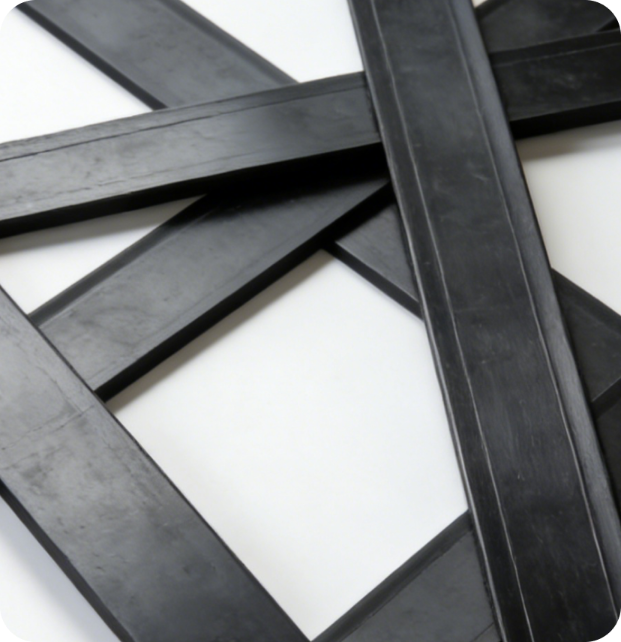
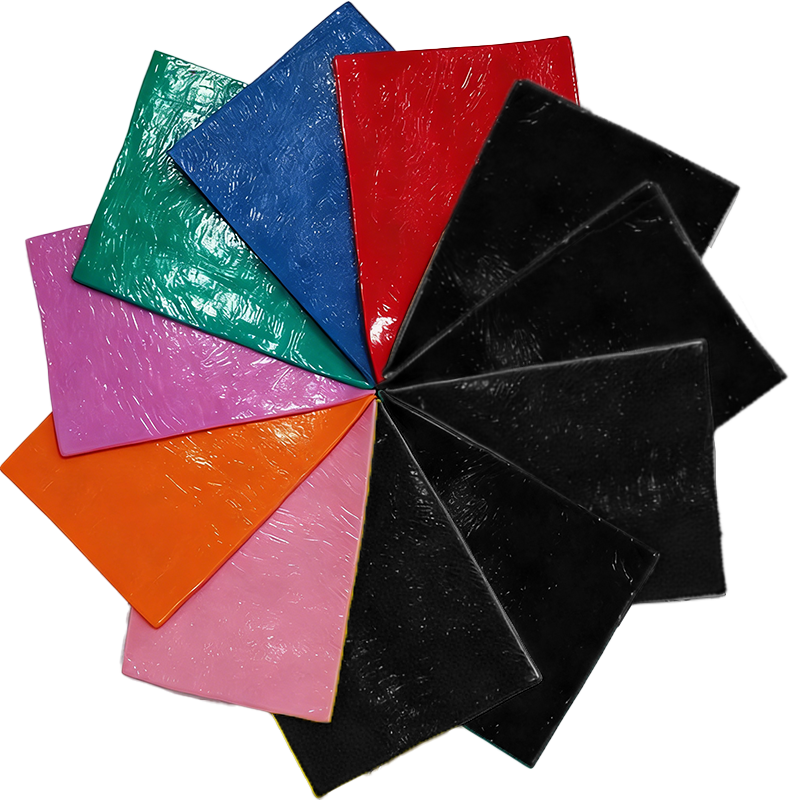
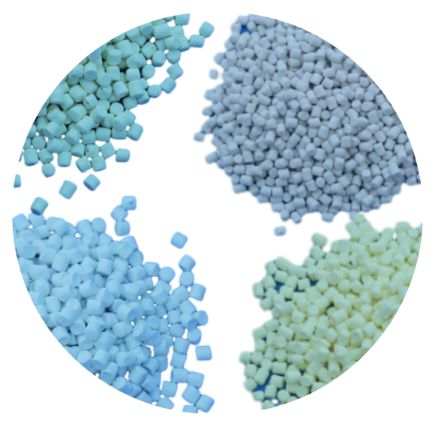
Rubber mixing is the core process of blending raw rubber with additives (fillers, curing agents, antioxidants) through shear and heat. Our company exclusively uses granular additives to ensure a uniform compound for subsequent molding. Mixing quality determines final product performance.
Custom Parameters
Material Selection:
EPDM
Silicone
Hardness:

50

55

60

65

70

75

80

85

90

95

Unvulcanized packaging method:

20kg

25kg

30kg

Tensile Strength:
{{ strengthValue }}
(Mpa 3+ ----20+)

Consult for special products or other requirements

Process Flow

01-

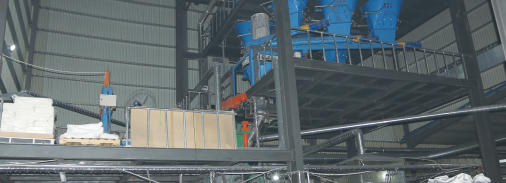
Auxiliary Equipment: Auto-weighing (Calcium powder, Oils, Carbon Black, Rubber materials)

This stage is responsible for the high-precision, automated weighing and distribution of all raw materials. Based on the formula, the system uses precision sensors and conveying pipes to accurately weigh materials like carbon black, calcium powder, oil, and raw rubber, ensuring zero error in ratios and automatically feeding the internal mixer to guarantee consistency in every batch.

02-

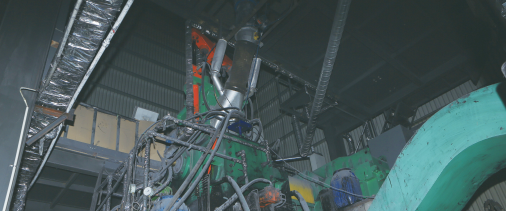
Internal Mixer: Fully Automatic Mixing and Discharge

This is the core process of compounding, usually completed in a closed internal mixer. After the system feeds raw materials in sequence, high-intensity shearing, extrusion, and friction generated by the rotors quickly achieve uniform dispersion of all components under high temperature and pressure. The process is precisely controlled by temperature, time, or energy, followed by automatic discharge.

03-

Open Mill: Cooling and Secondary Mixing

High-temperature compound first enters the open mill for preliminary cooling and homogenization. Through repeated crushing by two cooling rollers and "refining" operations, the compound is quickly cooled and mixed more evenly, then pressed into thick sheets for subsequent filtering.

04-

Rubber Strainer: Filtering Micro-impurities in Rubber Materials

This process aims to improve the purity of the compound. The material is forced through a high-mesh metal filter, effectively removing micro-gels, sand, and undispersed lumps, ensuring a defect-free product that meets high-quality requirements.

05-

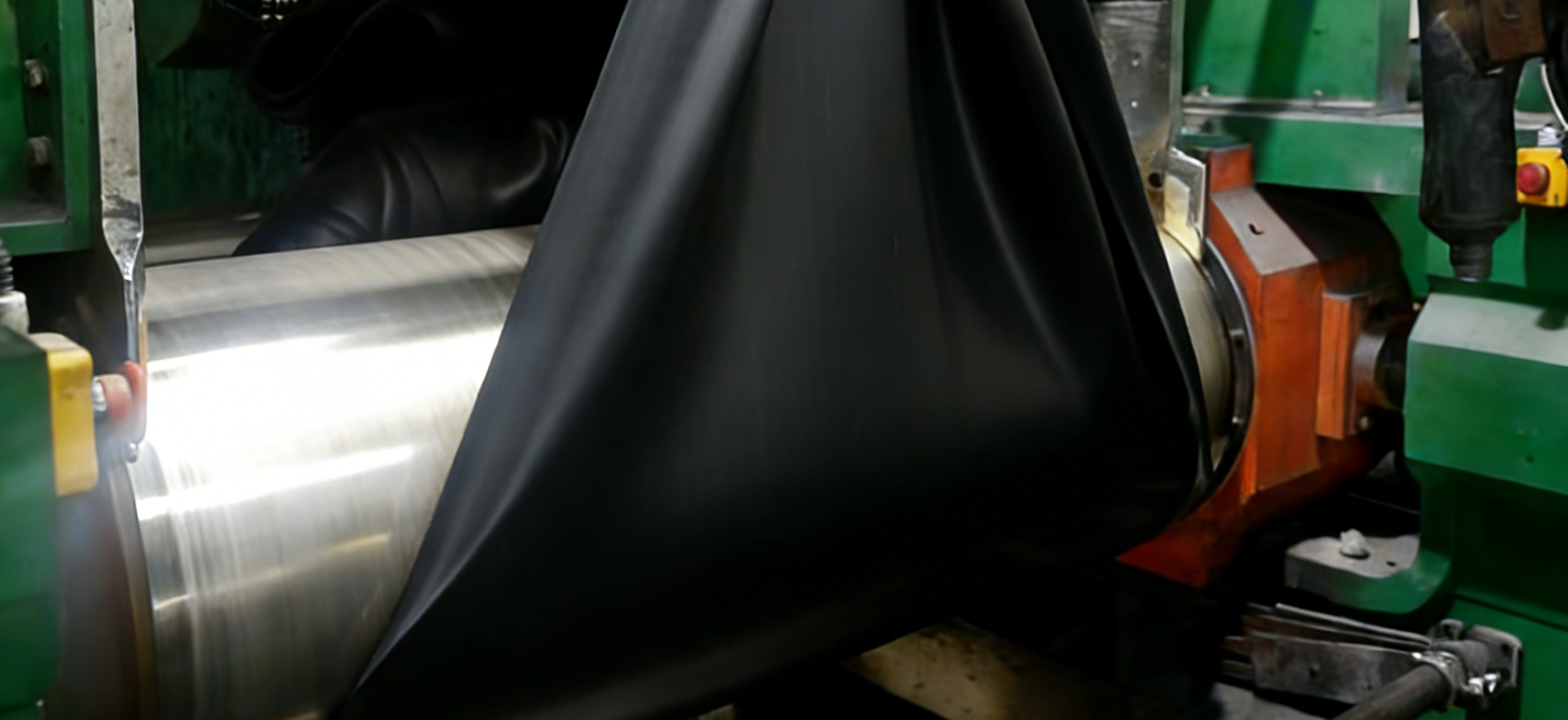
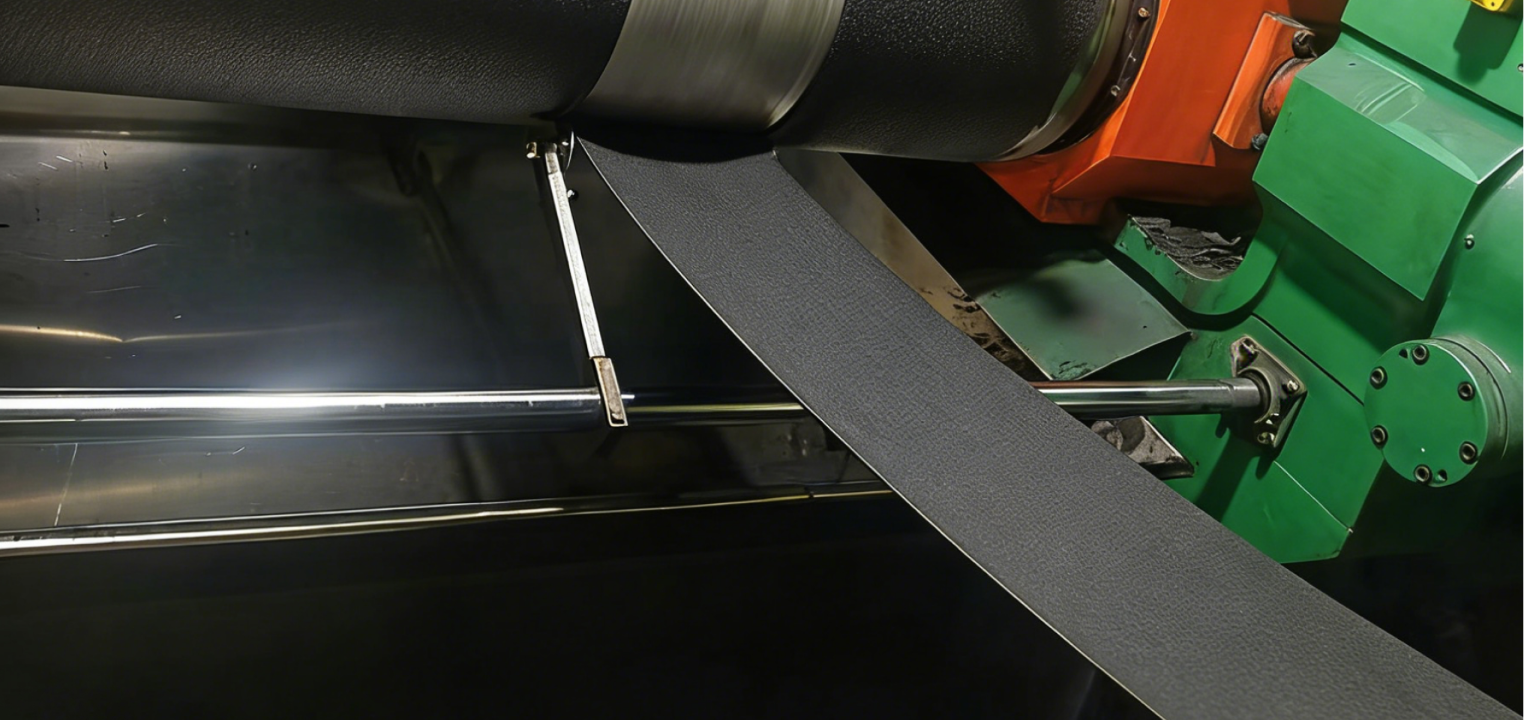
Open Mill: Re-mixing for Sheet Production

The filtered compound returns to the open mill for finishing. By precisely adjusting the roll gap, the compound is calendered into continuous sheets of uniform thickness and smooth surface. An anti-adhesive agent is applied simultaneously to prevent sticking, resulting in standard sheets suitable for cooling and storage.

06-

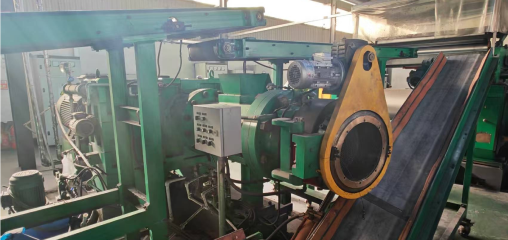
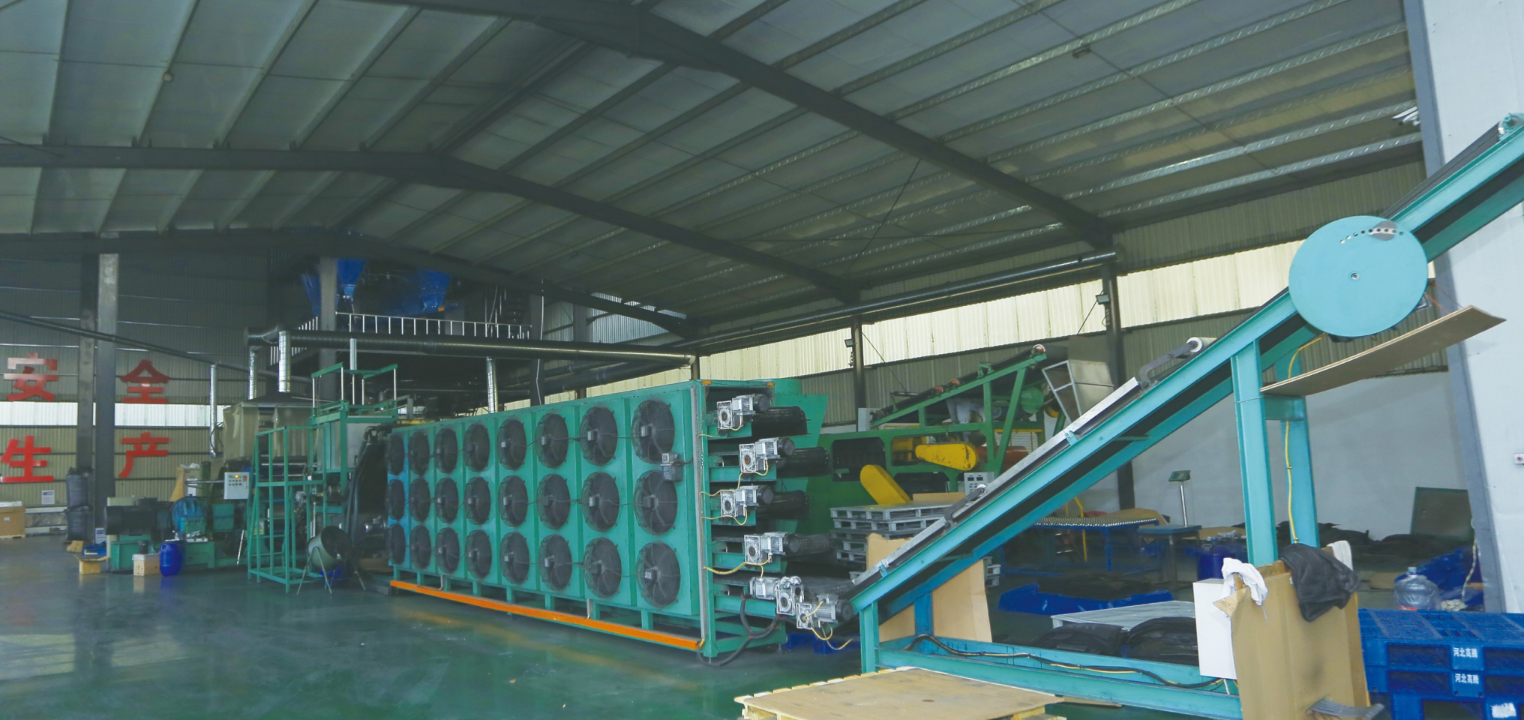
Rubber Batch-off Line

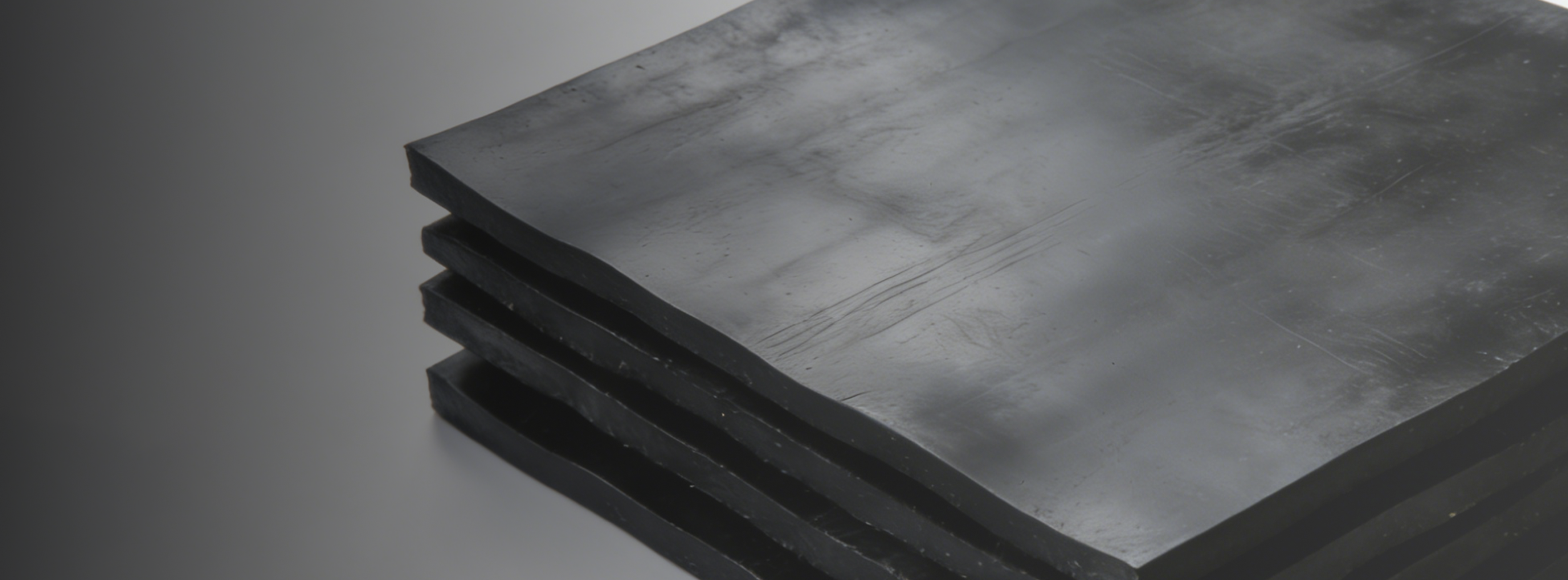
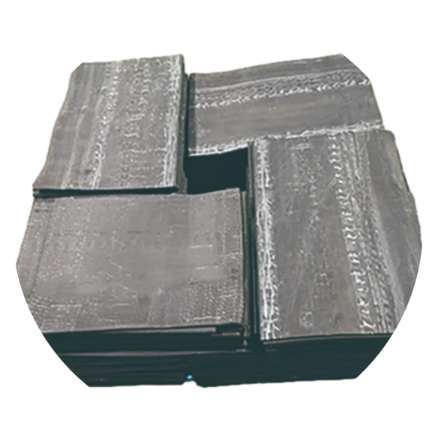
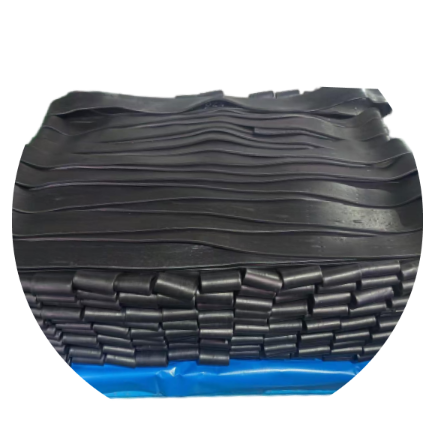
Hot rubber sheets enter the cooling line for shaping and deep cooling. After immersion in anti-adhesive agents, sheets are thoroughly cooled by multi-layer powerful air cooling devices to below safe storage temperature, then automatically cut and stacked.

07-

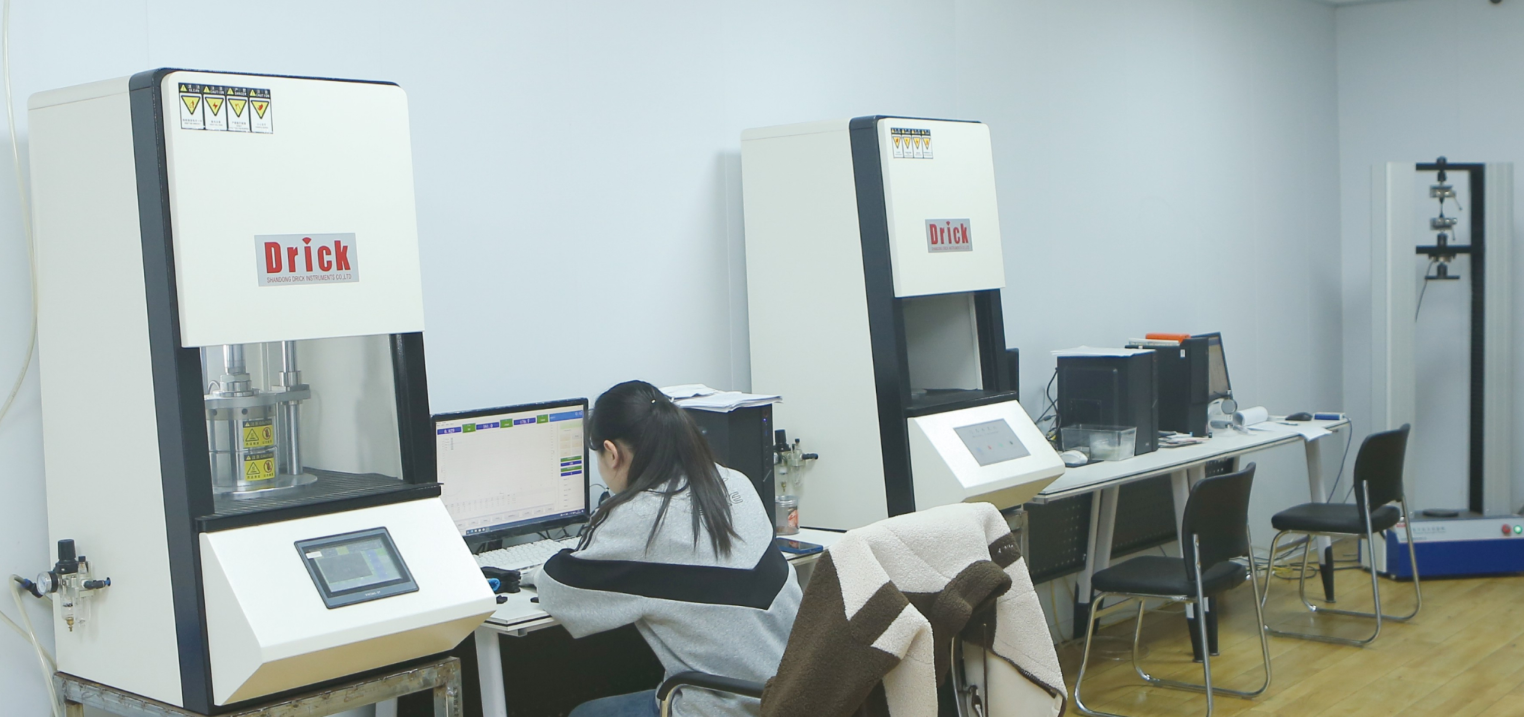
Testing

Quality testing runs through the entire production process. Samples from every batch are taken for rapid testing of Mooney viscosity and curing characteristics, along with regular physical and mechanical property tests. All data is used to monitor quality and guide process adjustments.

08-

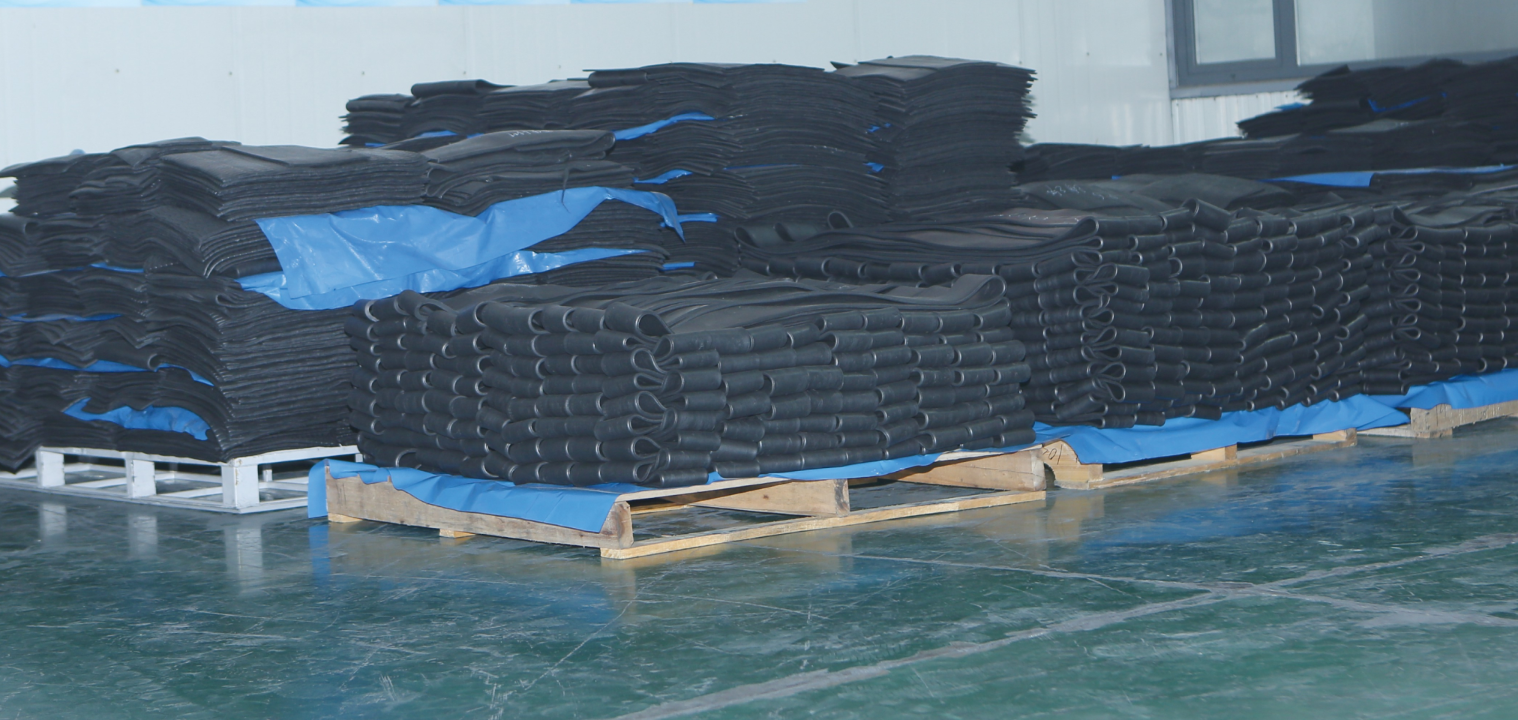
Warehousing

Cooled sheets need to be stored in the warehouse for a specified time (usually 24-72 hours). This process, known as "maturation," allows internal stresses to relax and compounding agents to diffuse further, stabilizing physical properties and improving subsequent processability.

09-

Packaging & Shipping
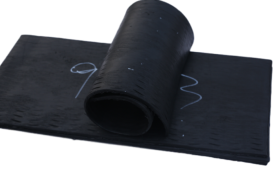
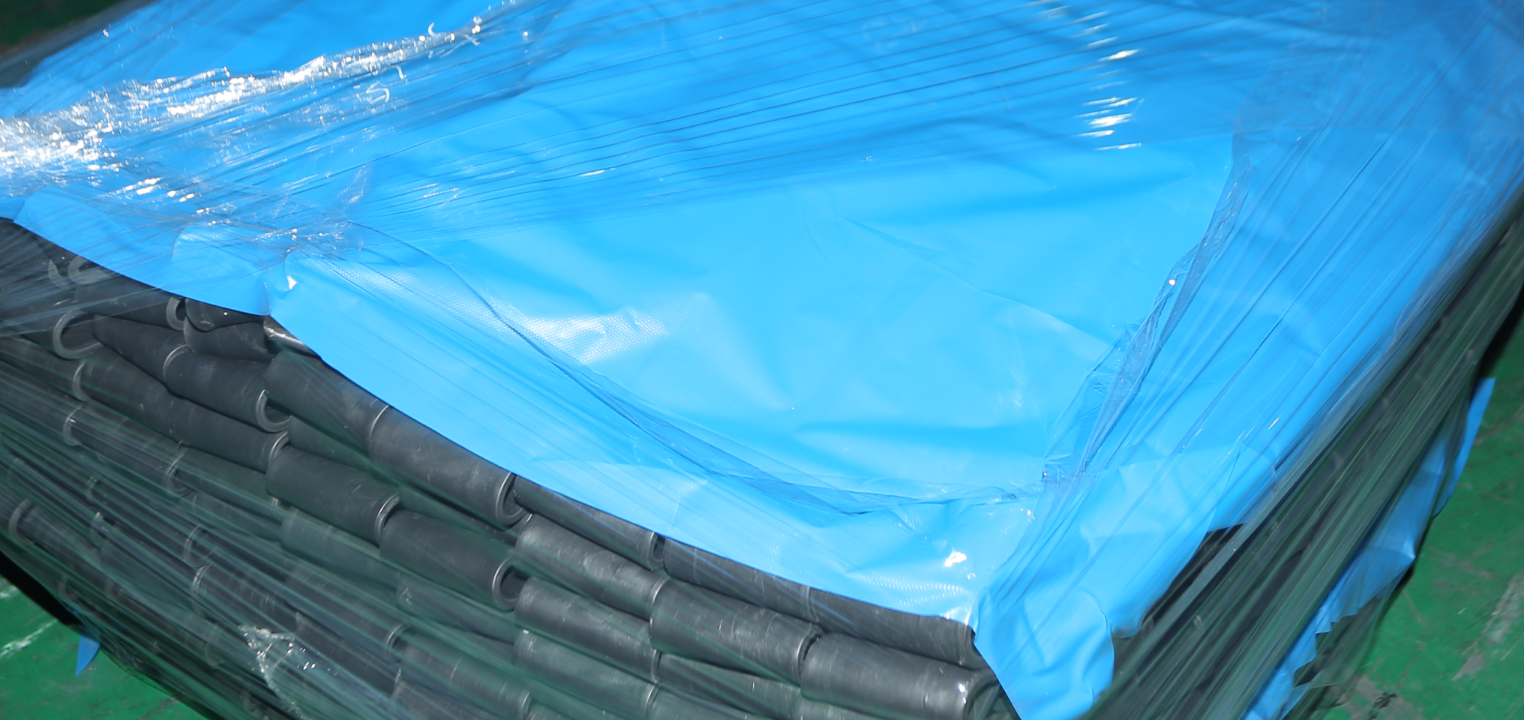
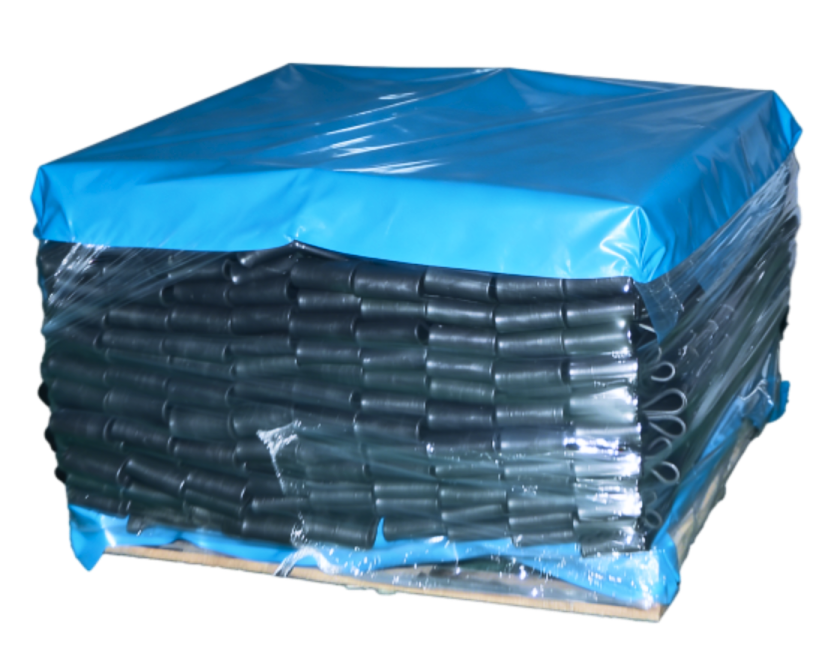
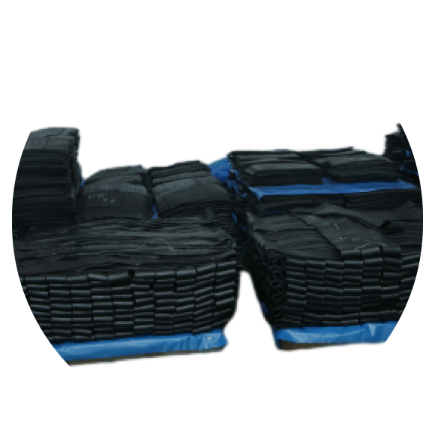
As the final stage, we use standardized packaging to prevent deformation and sticking. Each batch includes a unique tracking code for full traceability. Our temperature-controlled warehouse, FIFO system, and dedicated transport ensure precise delivery with full inspection reports.
Equipment Showcase
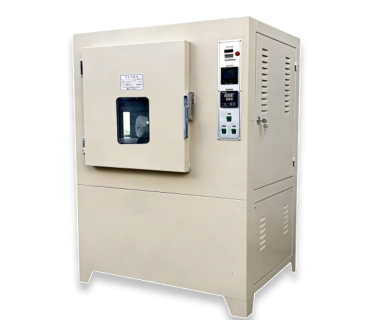
Aging Tester
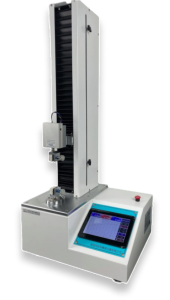
Universal Tensile Strength Tester
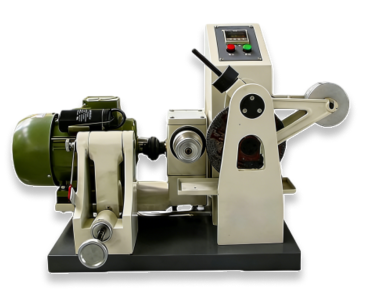
Akron Abrasion Tester
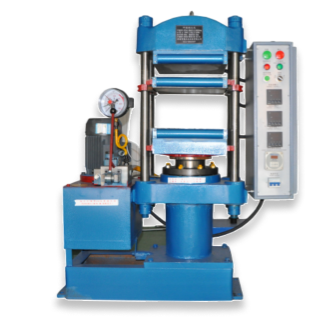
Lab Platen Vulcanizer
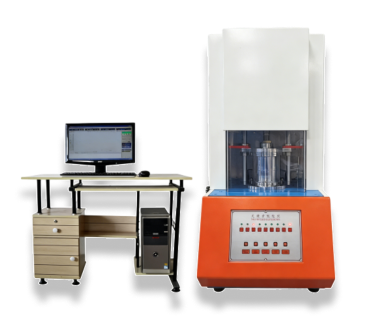
Moving Die Rheometer
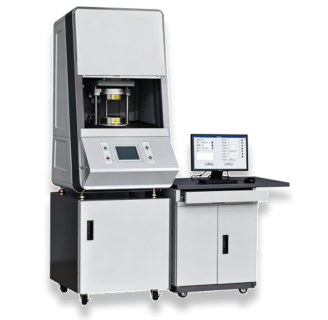
Mooney Viscometer
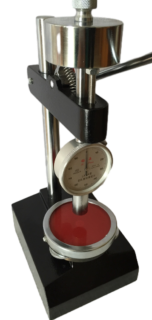
Hardness / Density Tester
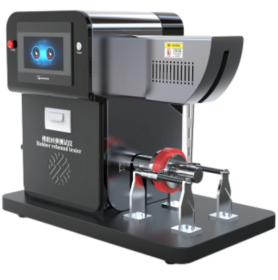
Rebound Tester
Applications

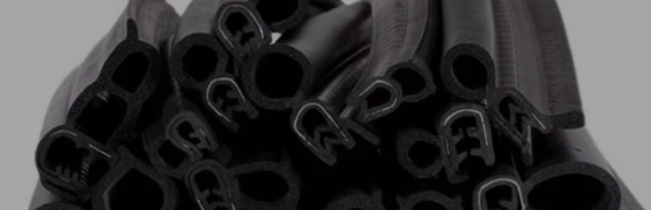
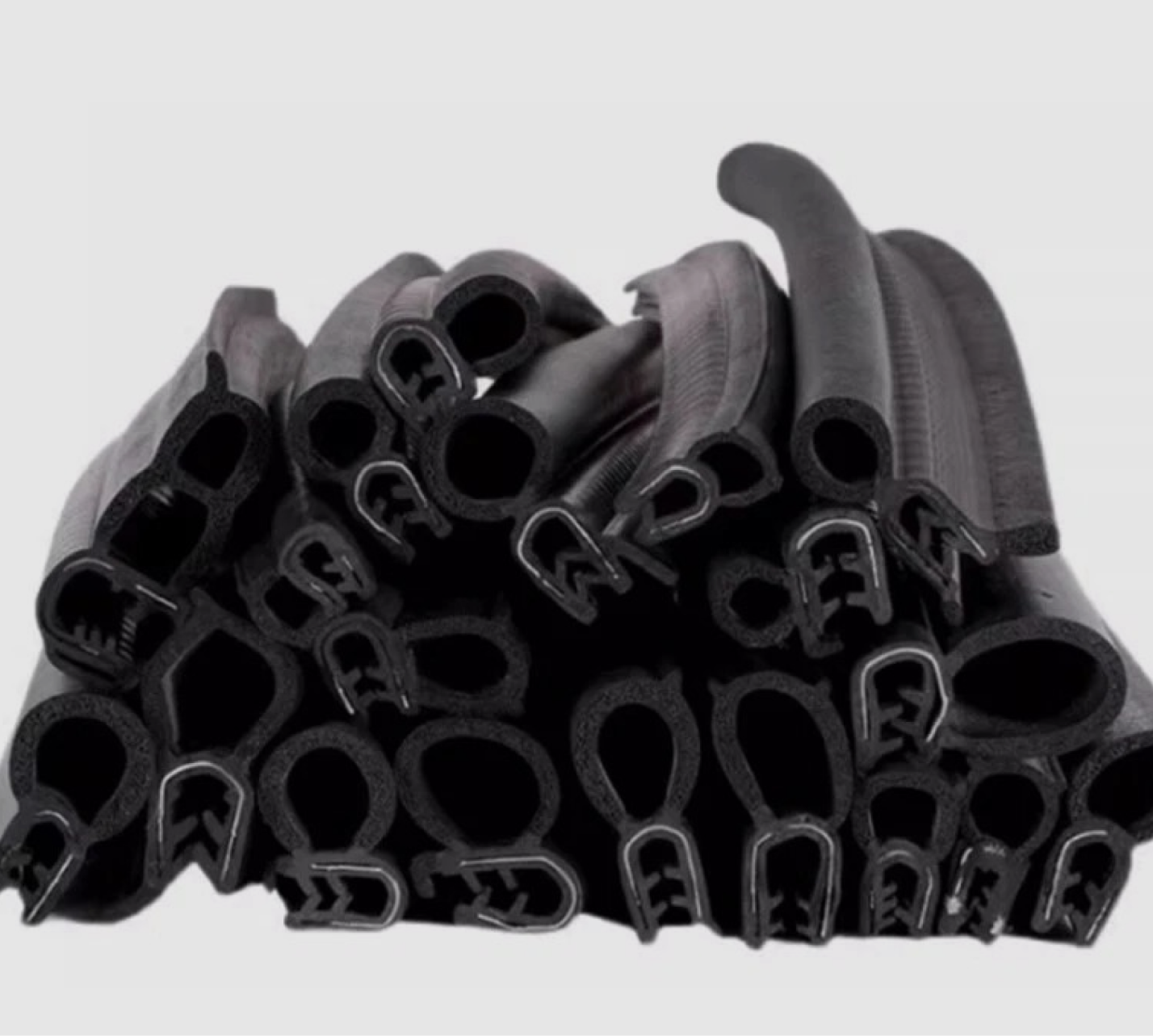
Sealing Strips & Parts Series

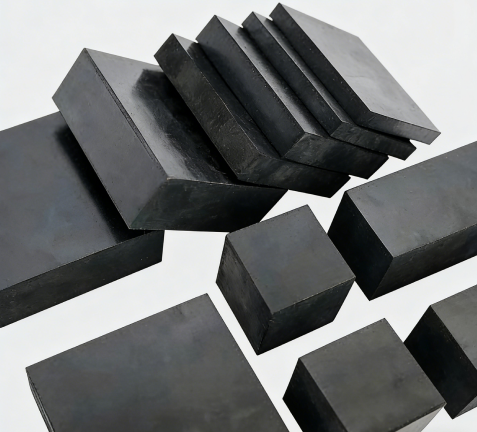
Shock Absorption Series

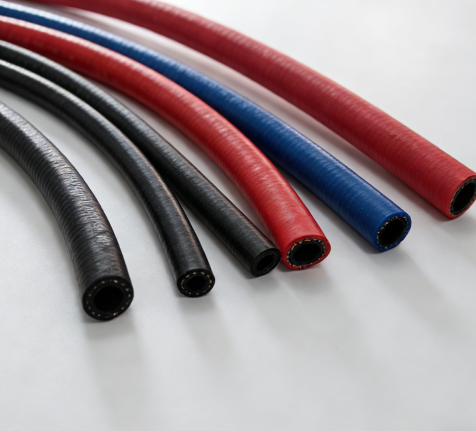
Rubber Hose Series

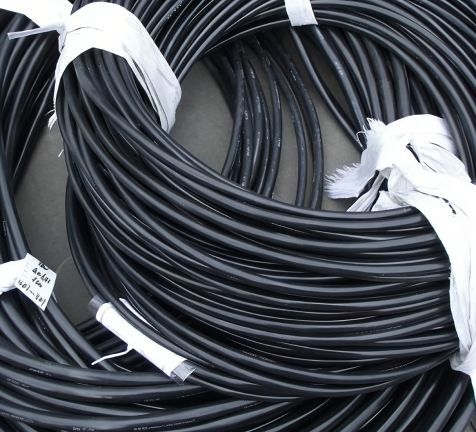
Wire & Cable Series

Sealing Strips & Parts Series
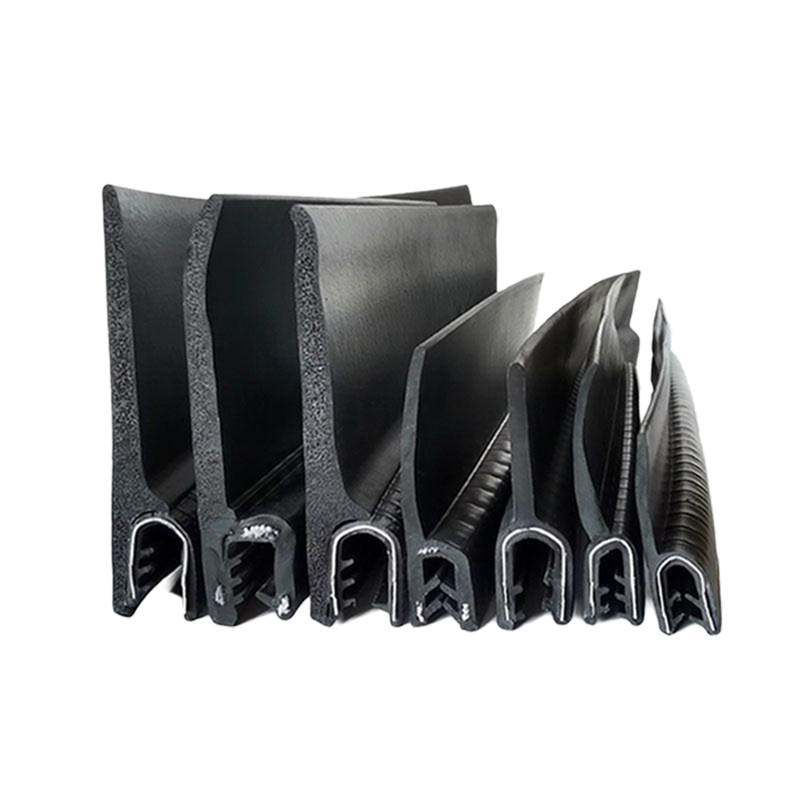
The core mission of rubber compounds in this field is to construct a reliable elastic barrier. Through O-rings, oil seals, gaskets, and various sealing strips, it effectively isolates gases, liquids, and dust under static or dynamic conditions. Its value lies in the ultimate pursuit of precision leakage control—whether for long-term sealing in car engines under high heat and pressure, or durable sound/heat insulation in building windows.
01

/

04

Shock Absorption Series
This field transforms the viscoelasticity of rubber into the "art of cushioning." For products like engine mounts, bushings, and dampers, the core function is to absorb and dissipate mechanical vibration and impact energy. By precisely regulating dynamic modulus and damping characteristics, these compounds act as "invisible guardians" in automotive chassis and rail transit systems.
02

/

04

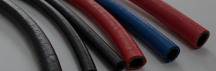
Rubber Hose Series
As a flexible bridge for fluid transmission, this series covers fuel hoses, hydraulic hoses, and cooling hoses. The compound must build a piping system that combines strength, flexibility, and medium compatibility: the inner layer resists chemical erosion; the reinforcement layer provides pressure resistance; and the outer layer withstands abrasion and atmospheric aging.
03

/

04

Wire & Cable Series
In cable applications, the compound serves as the insulation and sheath material, carrying the dual responsibility of electrical insulation and physical protection. It ensures safe, stable transmission of current or signals, resisting electrical stress and thermal breakdown while being resistant to sunlight, ozone, and high temperatures.

04

/

04